
COVID-19 pandemic caused unprecedented concern in various industries like technology, FMCG, etc and the marketing industry is not an exception. This has forced every sector to rethink its strategies and approaches towards business. It transformed the way businesses advertise, market, and promote to sustain and grow in the wake of COVID-19. This alerted the advertising industry to navigate through this new normal, implement only the best practices, minimize risks, and increase productivity. They are now reassessing their media and marketing strategies to sustain their consumers’ interest and maintain their income stream.
Impact of covid on the advertising industry and marketing sector:
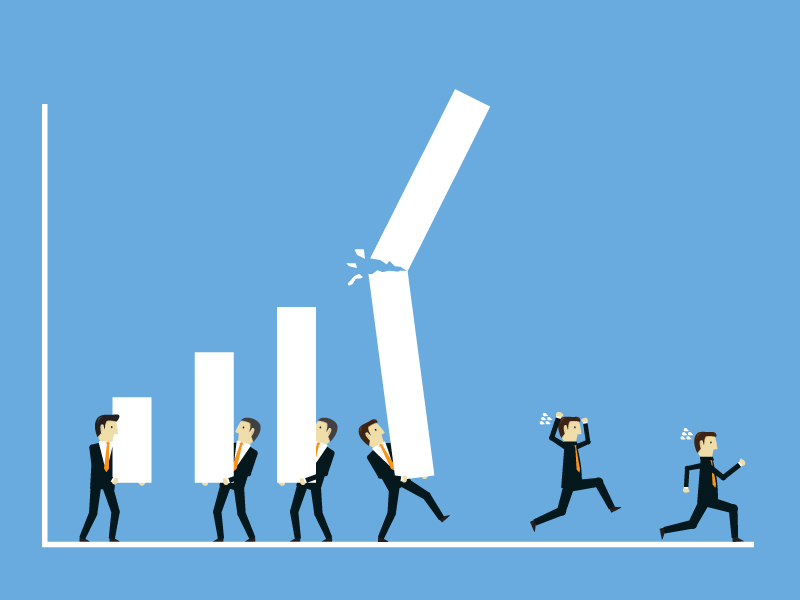
Almost 75% of brands have reduced their advertising expenditure as a part of their cost-saving measures in April 2020, because of which advertising and marketing agencies lost around 54 to 91% of their revenue. The lasting behavioral changes of people from COVID will lead advertisers to change their advertising and marketing campaigns.
- 65% of marketers are reducing their marketing budgets
- 86% of marketers are changing their marketing goals
- 50% of marketers are willing to shift to SEO
- 9 to 12% ad expenditure is decreased
Change in consumer behavior:
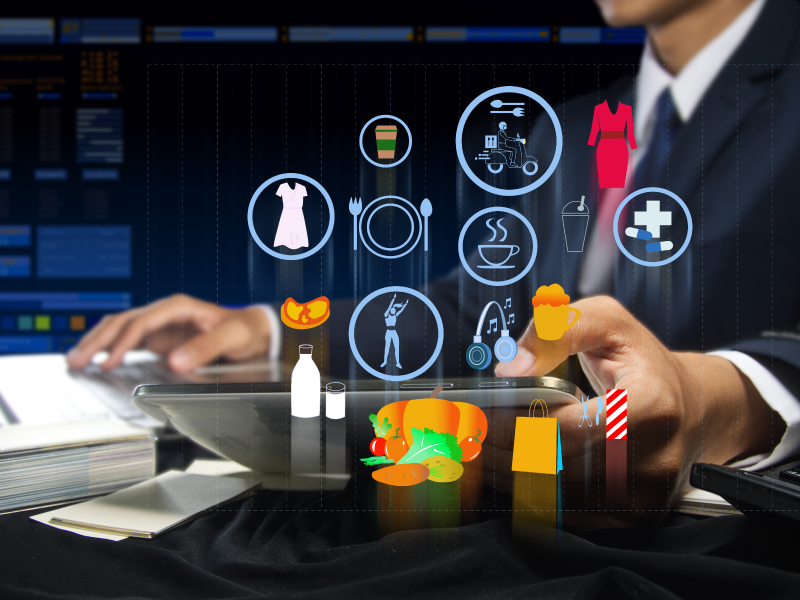
The new normal given by COVID-19 drastically changed the preferences, lifestyles, and choices of many people. Advertisement and marketing have to adapt to the change in consumer behavior to reap its benefits.
- More number of people are opting for on-the-go services
- Trust became the key factor and people are choosing the trusted brands
- There’s a drastic reduction in anything that has to do with travel
- Online content has become the king as people are working from home and consuming a lot of YouTube, Netflix and other streaming services
So, every creative advertising agency is now looking to reap the benefits of the increase in-home media consumption. They are aiming at a digital-first marketing strategy to come out of this crisis of uncertain spending and consumption patterns of people.
Change in marketing approach by brands:

COVID has changed the way brands look at their marketing. From creating campaigns to raise sales and conversions, brands have come to do campaigns to communicate their values, what they stand for, and build loyalty. These value-based marketing strategies can be a brand-building exercise for many that can work wonders in long term. So, they are asking themselves some important questions.
- How to communicate brand values in a way that resonates with consumers?
- How to rebuild the brand once the normality returns?
- Who will be the face of the brand, influencers, or other real heroes?
- What will be the promotional activities to engage with the audience and increase sales?
How marketers should come out of this?

With changing customer behavior, the approach of advertising agencies is also changing. They are changing their priorities, giving the most to digital marketing and direct response campaigns. Going to digital and social media to communicate is not a new trend, especially to the younger generation these days. The cheese on the cake is that the older generation has also started using the internet and social media apps. Therefore it became essential to have digital marketing as the primary form of advertising without reducing the ad spends on it.
The future is digital:
As everything in our life starts online, be it searching for nearby places or finding the best salon in your town. People are relying on digital to connect and communicate with each other. According to research most of the youth prefer to play games, connect with peers, rather than just watch movies and listen to music. This gives a chance for the marketers to connect with the youth and provide them with active experiences and direct interactions.
The rise of content creators:
This inevitable shift to digital will be fuelled by the rise of influencers. GenZ doesn’t just want to consume the internet but become the content creators on the internet. This is evident in the exponential rise in the usage of Instagram Reels, YouTube, Snapchat, and other social media platforms. If brands can create advertising and marketing campaigns that resonate with the ideology of GenZ and can collaborate with appropriate influencers, they can increase their reach and build trust.
Staying ahead of the curve:

Empathy and human connection became one of the biggest learnings from the impact of COVID-19. While online engagements have become the only way of communication between companies and their customers, the utmost value of empathetic communication became all the more profound. According to research, 70-80% of consumers prefer to interact with sellers remotely, i.e, purchasing and paying online to get their services or products delivered to their homes. They can base their marketing strategies based on real-time data, ad tech and analytics to go through a tech-driven paradigm in the advertising industry.
There certainly are some challenges that every creative advertising agency is going to face. The lessons learnt from this crisis will be invaluable and be the foundation to grow crisis-proof. These represent the exciting opportunities to adapt to the new normal and bounce back like every other sector. The marketing sector should focus on staying relevant and reassess its approach to restore the meaning of advertising and accelerate in terms of making the communication more personalized by leveraging new mediums. To sum it up, the future looks optimistic for the advertising industry with accelerated digital transformation.
No Comments
Comments are closed.